The Advantages of Bamboo
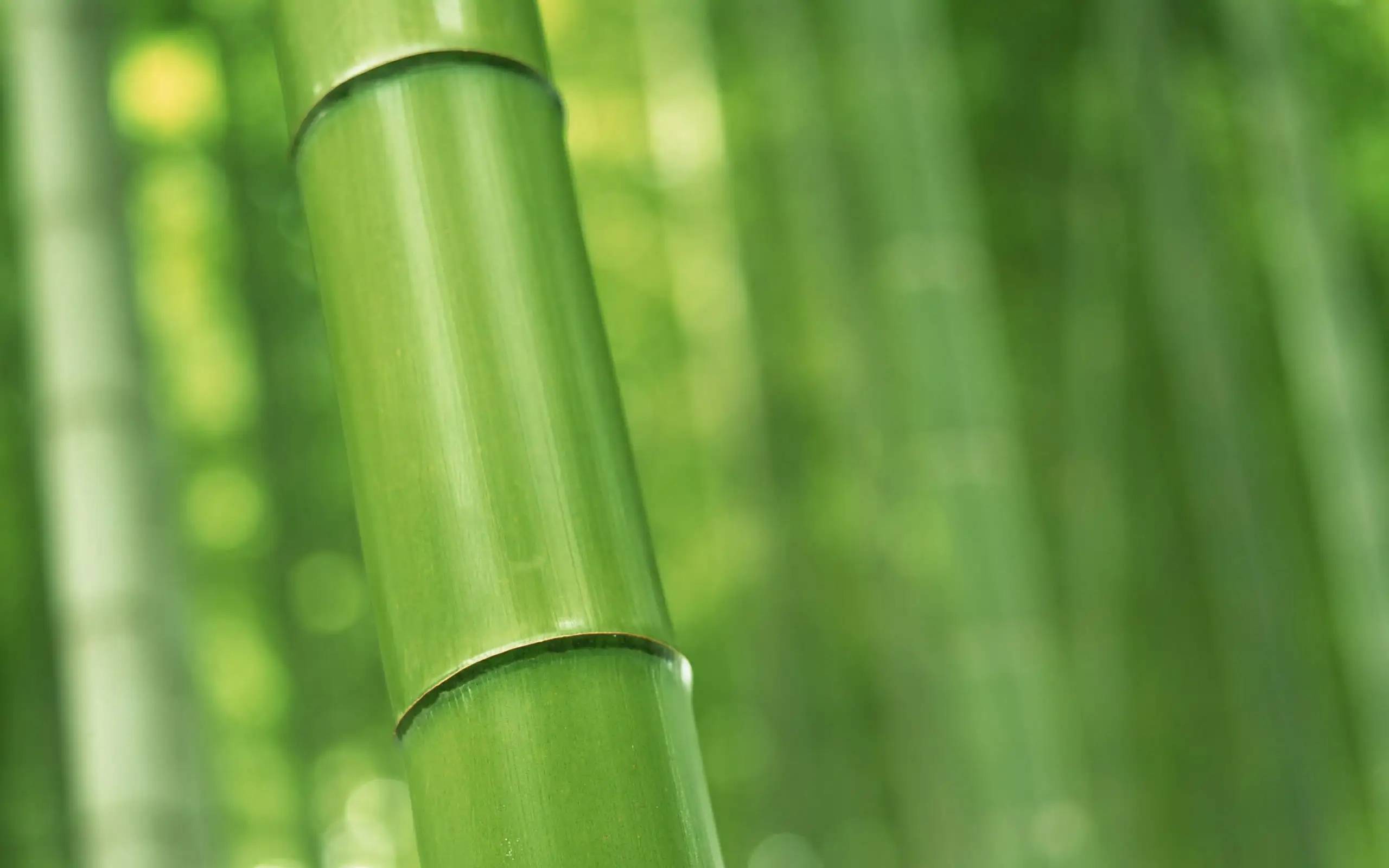
Bamboo, as a unique and miraculous plant, exhibits incomparable advantages in multiple fields such as ecology, resource utilization, and industrial applications.
Firstly, bamboo is an excellent renewable resource. Once planted, it can be sustainably utilized, which means it can continuously provide various needs for humans without disrupting the ecological balance.

Secondly, the evergreen nature of bamboo makes it outstanding in carbon sequestration. During the process of photosynthesis, bamboo can efficiently absorb carbon dioxide and convert it into oxygen, which is released into the atmosphere, contributing to alleviating global warming.

Furthermore, bamboo has a well - developed root system, endowing it with strong soil - fixing and water - retaining capabilities. Whether on slopes or riverbanks, bamboo can effectively prevent soil erosion and maintain the stability of soil and water, playing an important role in maintaining the stability of the ecological environment.

From the perspective of industrial applications, the fibers of bamboo have excellent toughness, making it a high - quality material for making eco - friendly tableware. Tableware made from bamboo is not only sturdy and durable but also can degrade naturally after use, without causing pollution to the environment.

In addition, bamboo contains natural adhesives, which is particularly prominent in the production of lunch boxes. High - quality lunch boxes can be produced without adding any chemical additives such as adhesives and strengthening agents. This not only reduces the potential harm of chemical substances to the environment but also reduces production costs.
With its unique advantages, bamboo plays an indispensable role on the path of sustainable development, providing infinite possibilities for creating a greener and more beautiful future for us.

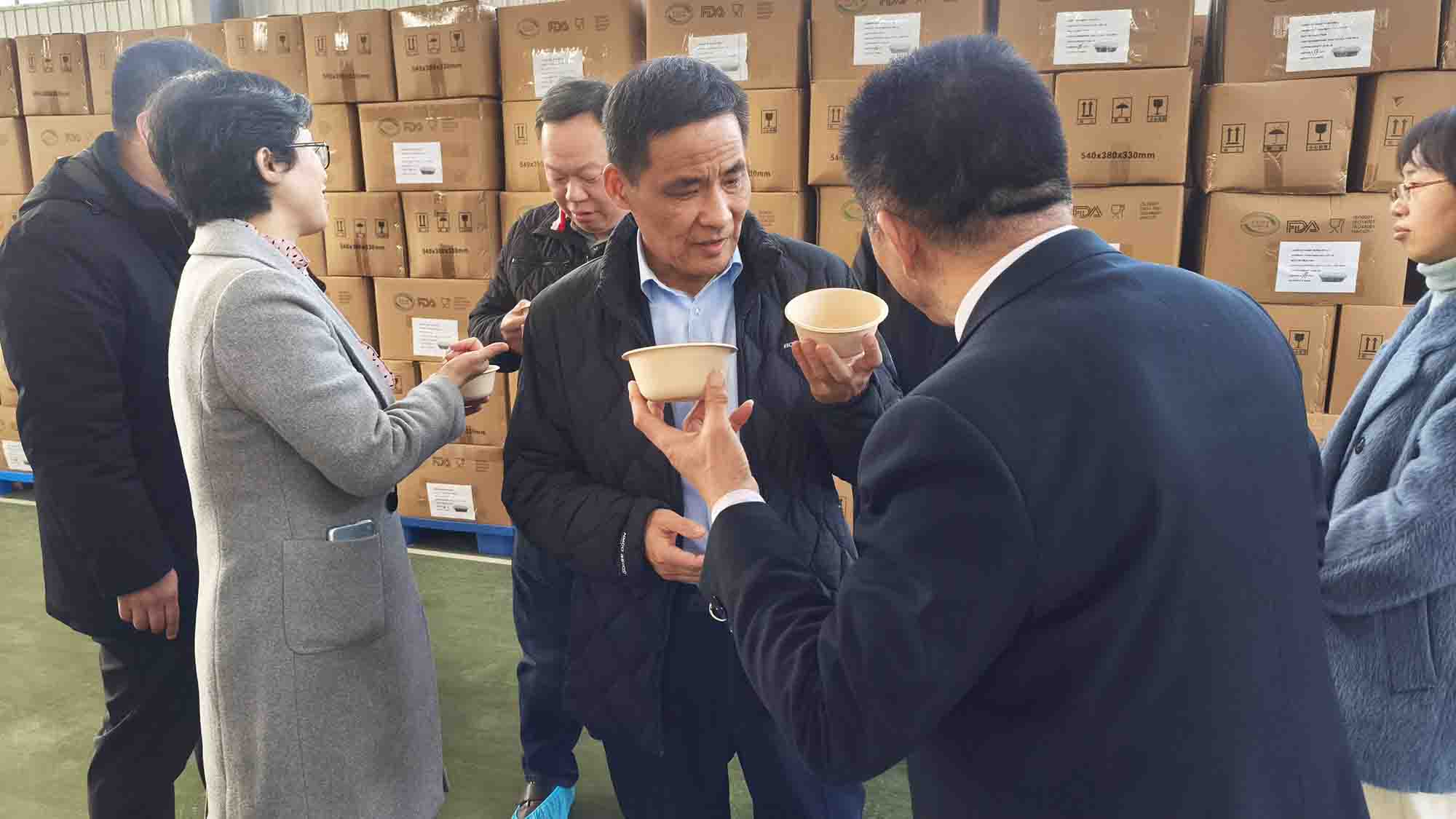
Chongqing Rueijhu made its debut at the Hong Kong exhibition, promoting environmentally friendly bamboo fiber products
Related blog